teacher Learning Centre
Filter Results
Filters
CloseShowing 1-10 of 11 results
- Stage 6 – Legal Studies
- 3 levels of government
- Constitutional Democracy
- Separation of Powers
- Outline the concept of the 'division of powers'
- Describe the different types of legislative power outlined in the Australian Constitution
- Explain the difference between 'division of powers' and 'separation of powers'
- Stage 5 - History
- Constitutional Conventions
- Edmund Barton
- Federation
- Henry Parkes
- History
- Separation of Powers
- Depth study (core) – Australia: making a nation – from Federation to WWI (1889 – c. 1919)
- Stage 3
- Government
- People
- Separation of Powers
- Identify the Governor as the Head of State for NSW
- Describe the role of the NSW Governor
- Stage 6 – Legal Studies
- Separation of Powers
- LST-11-01 describes legal principles and judicial processes used in the legal system
- LST-11-02 explains the key features of Australian and international law
- LST-11-03 explains the role, formation and reform of law
- LST-11-04 analyses differing perspectives of individuals, groups and society in influencing the law
- LST-11-06 analyses legal issues to determine the extent to which the law achieves justice for individuals, groups and society
- Stage 6 – Legal Studies
- Law Reform
- Legislation
- Separation of Powers
- Identify why laws change and the conditions that give rise to these changes
- Describe the legislative process in the making of statute law
- Explain the function and process of making delegated legislation and how it differs to statute law making
- Stage 5 - Commerce
- 3 levels of government
- Chambers of Parliament
- Constitutional Monarchy
- Democracy
- Democratic process
- Elections
- Federation
- Government
- Legislative Change
- Representative Democracy
- Separation of Powers
- Describe how and why the separation of powers exists in Australia's democratic system
- Outline which political parties and Independents have been elected to the NSW Parliament.
- Describe how government is formed in a democracy based on the Westminster system
- Explain the terms parliamentary majority, a hung parliament and minority government and explain their significance in forming government in NSW
- Explain the difference between parliament and government
- Stage 6 – Legal Studies
- Constitutional Democracy
- Legislation
- Separation of Powers
- Explain the role and structure of the Parliament
- Describe the function and roles of the Legislative Assembly, Legislative Council and the three branches of power
- Understand ceremonies and traditions of the NSW Parliament and Westminster system of government
- Stage 6 – Legal Studies
- Separation of Powers
- Outline the concept of the 'separation of powers'
- Describe the role of each branch of government in Australia and NSW
- Explain the difference between parliament and government
- Explain the difference between ‘separation of powers’ and ‘division of powers’
- Stage 5 - Commerce
- Government
- Parliamentary Democracy
- Responsible Government
- Separation of Powers
- Explain the role of Question Time in the NSW Parliament and Westminster System
- Explain the difference between parliament and government
- Stage 5 - Commerce
- 3 levels of government
- Democracy
- Law Reform
- Legislation
- Representative Democracy
- Responsible Government
- Separation of Powers
- CO5-GOL-01 explains the role of government and the law in society
Division of Powers
Learning Outcomes

Federation and the Constitutional Conventions Stage 5
Learning Outcomes

Head of State
Learning Outcomes

Stage 6 Legal Studies and the Legislature Program
Learning Outcomes
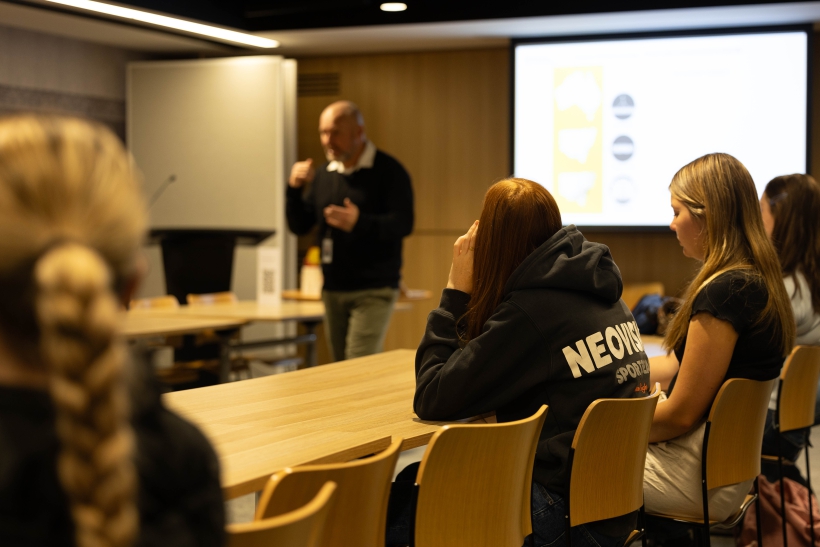
Legislative Process
Learning Outcomes

Parliament and Government
Learning Outcomes

Role and Structure of Parliament
Learning Outcomes

Separation of Powers
Learning Outcomes

So, What is Question Time?
Learning Outcomes
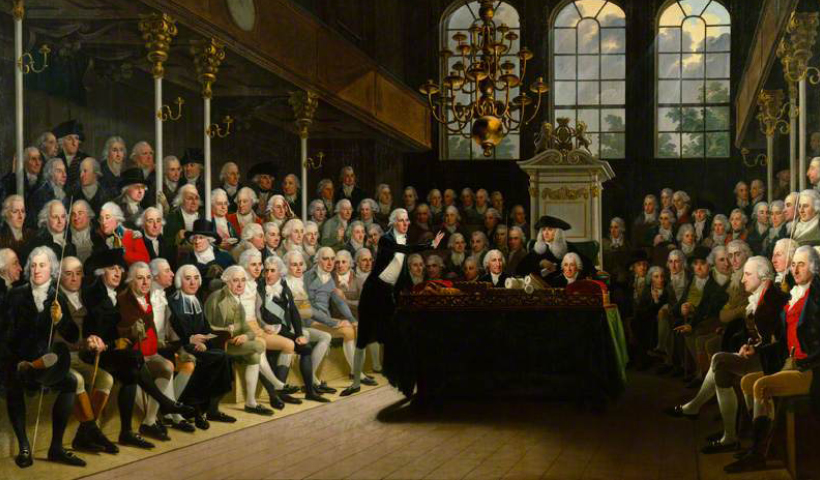
The NSW Budget
Learning Outcomes