Learning Outcomes
- HS3-DEM-01: Describes the origins and features of Australia's democratic system of government and laws
Syllabus Links
K–6 Human Society and its Environment K–6 Syllabus (2024, implementation 2027)
Topic: Stage 3 – Historical sources present perspectives on the past
Focus: People in Australia have democratic roles and responsibilities
CORE CONTENT
Describe the roles and responsibilities of 3 levels of government in Australia
What is Government?
In a parliamentary democracy the people of that nation or state elect a parliament to make laws.
In Australia, the Government is formed by the political party that wins the majority of seats in the lower house after an election. For example in NSW the Government and its leader (the Premier) are also elected members of the Legislative Assembly.
In NSW, the Government is made up of elected members of Parliament. This is not the case in all democratic systems. For example, in some countries, such as the USA, where the people elect a leader who is not part of their parliament and does not represent a specific electorate.

Forming Government in NSW - Quick Facts
- 93 members are elected to the NSW Legislative Assembly at an election every four years.
- The political party or coalition that commands a majority of seats (47 members) in the Legislative Assembly can form Government. The leader of that party subsequently becomes Premier of New South Wales.
- The most recent election was held on 25 March 2023. The Labor Party, led by Chris Minns, won the election, returning Labor to power for the first time since 2011. However, Labor did not win enough seats to govern in majority – winning 45 seats, two short of the 47 needed – and instead formed a minority government with the support of three independent MPs: Alex Greenwich, Greg Piper, and Joe McGirr. Greg Piper also agreed to become the Speaker of the Legislative Assembly.
- There are 42 members of the Legislative Council, elected by proportional representation for eight-year terms. The terms are staggered, with half the Council (21 members) elected every four years, roughly coinciding with elections to the Legislative Assembly.
- Legislative Council members can be Ministers even though the Government is not formed in this House. The Government has not had a majority in the Legislative Council since 1988.
The next NSW state election is scheduled for March 2027.
What is the difference between Parliament and The Government?
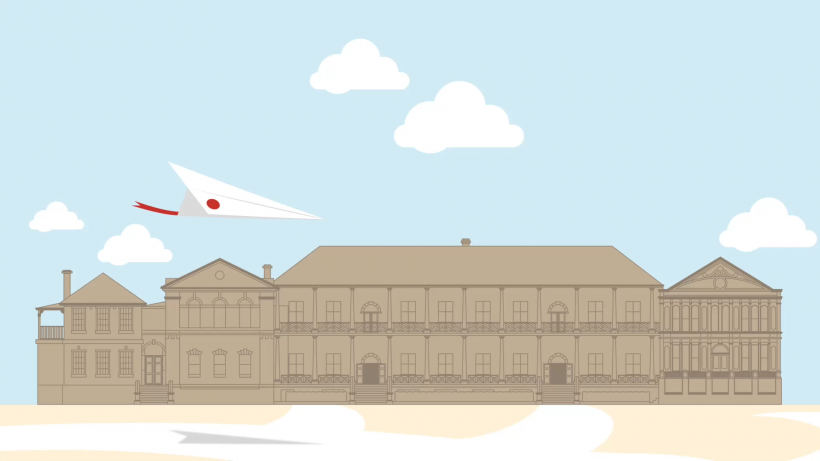
 Parliament is the whole game and the Government is the team with the most players in the Lower House.
The Parliament is made up of all of the members that have been elected to the Legislative Assembly and the Legislative Council. The role of the Parliament is to represent the people and to make laws.
When a bill is passed by both Houses of Parliament the Governor needs to assent to it becoming law. The Parliament also checks up on what the Government is doing. This is called keeping the Government accountable to the people of the NSW.
The Government is formed by the political party that won the most seats in the Legislative Assembly after an election.
Government is made up of the Premier and the Ministers, also called the Executive Government. The Premier is the leader of the Government. The role of Government is to propose an idea that becomes a law if the Parliament votes for it and to then put these laws into action. The Government also administers government departments to make sure that all of the State’s services are working properly.
Roles and Responsibilities of Ministers in New South Wales
All Ministers are members of Parliament, but not all members are ministers.
Most Ministers reside in the Legislative Assembly they can be from either House of Parliament. Ministers from the Legislative Assembly are also local members with local electorates.
Each minister has one or more government departments which he or she is in charge of, and related laws or Acts, which they and their departments administer and must work within. Ministers are responsible for the effectiveness and efficiency of the government departments within their portfolio and must answer questions about this from members of Parliament at Question Time. This is what we call responsible government. In Parliament, Ministers also present and speak to legislation related to their portfolios.
The Leader of the Government is called the Premier and the minister in charge of the budget for the state is called the Treasurer. The Attorney General is the minister that represents the Government in legal matters. All other ministers are named after the government department of which they are in charge. For example, the Minister for Transport is in charge of transport in NSW.